Four cannons and an unknown expedition – what did they find at Runde in 1731?
A newly discovered record from 1731 tells of an early diving expedition at Runde, likely using a diving bell – just six years after the Akerendam sank. The find opens up new questions about which ships actually lie in the depths off Runde.

Diving at Runde in 1731
Shortly after the Runde discovery was made in 1972, it came to light that the remains were those of the Dutch ship Akerendam, which sank off Runde in March 1725. Local historian Ivar Myklebust from Ørsta was able to recount court records from 1726 concerning the shipwreck and the subsequent search and salvage operations the year before.
In the time that followed, until the discovery in 1972, there was little attention paid to the shipwreck. Among the local population, the legend of the "Borja," a ship from the Spanish Armada that was said to have sunk off Runde, lived on.
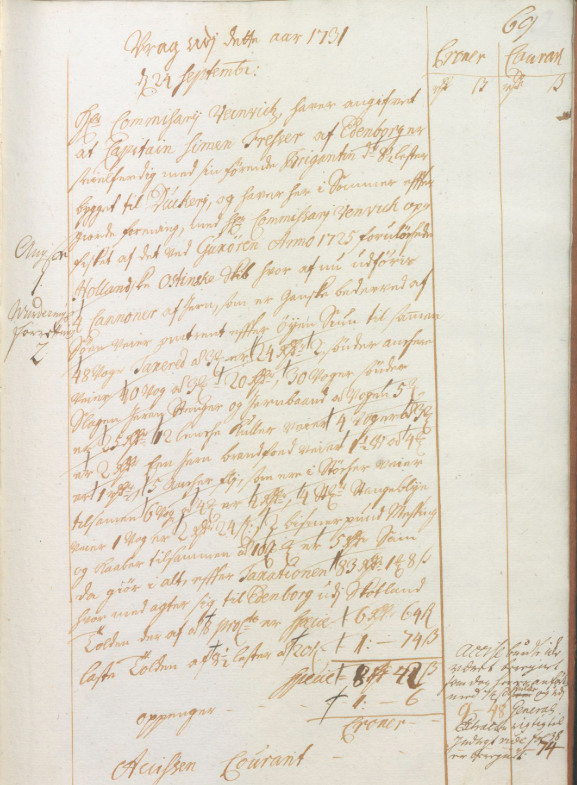
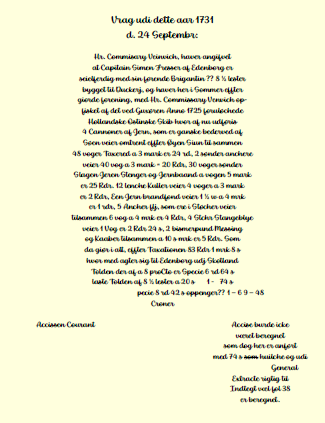
Recently, another local historian, Tor Myklebust (no relation to Ivar), came across a record from September 1731 from the Molde customs office concerning search and salvage operations at Runde that year.
To our knowledge, this has not been part of the history of the Runde discovery. It reveals that it was Weinwich, the agent in Bergen for the Dutch East India Company, who commissioned the task. He was also responsible for the salvage in 1725.
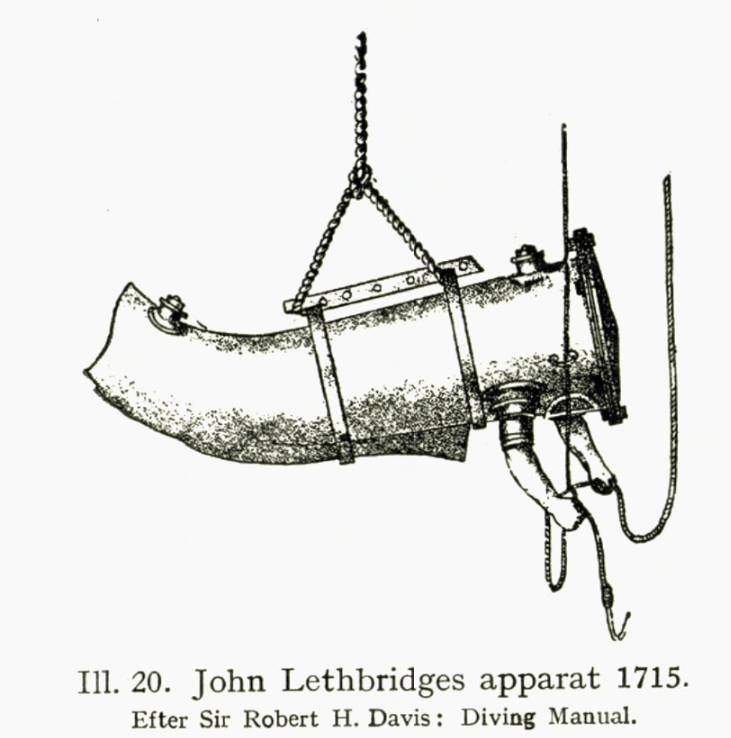
A brigantine (a small schooner) commanded by Captain Frazer (Fresser) from Edinburgh arrived at Runde in the summer of 1731. The ship was equipped for diving, and a search was conducted, presumably in the same area where the Akerendam sank six years earlier. More advanced equipment may have been used this time, such as a diving bell.
A number of objects made of iron and other metals were salvaged. Furthermore, four iron cannons were recovered. These were described as being quite "decayed" by the sea.
Can cannons be so corroded and "decayed" after only six years in the sea?
The Akerendam is said to have been equipped with 40 cannons, and all of these were located and accounted for by the Bergen Maritime Museum in the years after the Runde discovery was made. Could the four cannons have come from another, earlier shipwreck? The Borja?
Can a new chapter be written in the story of the Runde gold?
Written by: Lars Golmen
Opplev Runde and Runde Forsking are part of the Runde Environmental Centre

